
A Day in the Life at Camp Horseshoe
Updated: June 2, 2026
Learn what it’s like to be a counselor at Camp Horseshoe, a traditional boys overnight summer camp in Rhinelander, Wisconsin. This guide walks prospective staff through a typical day at camp, including cabin life, activity periods, meals, evening programs, counselor expectations, code of conduct, tips for success, and days/time off. Camp Horseshoe counselors serve as role models for boys ages 8–18 while building leadership, communication, teamwork, and youth development skills in a fun, active Northwoods camp environment.
Working at Camp Horseshoe is more than a summer job.
It is a chance to mentor campers, build friendships, grow as a leader, and become part of a close-knit camp community in the Northwoods of Wisconsin.
As a counselor, your days are full, active, and meaningful. You might start the morning helping your cabin get ready for breakfast, spend the day coaching league games or leading instructional activities, cheer campers through challenges, and end the night back in the cabin helping everyone settle in after an evening program.
No two days at “The Shoe” are exactly the same, and that is part of what makes the experience so memorable.
What Does a Typical Day Look Like?
Camp days move quickly, and counselors are a key part of keeping the energy, structure, and spirit of the day going. A typical day may include:
- Morning wake-up and breakfast: Counselors help campers get up, get dressed, and prepare for the day. The camp gathers for flag before breakfast, then cabins eat together in the dining hall.
- Cabin clean-up: After breakfast, campers and counselors return to the cabin. Beds are made, personal items are put away, and the cabin gets ready for inspection. Counselors help guide the process and make sure every camper knows how to contribute.
- Instructional activities and clubs: During the morning, counselors may lead or assist with activity periods. These could include athletics, waterfront, outdoor adventure, arts, or other program areas depending on assignments and skills. Counselors help create a safe, encouraging environment where campers can learn, practice, and have fun.
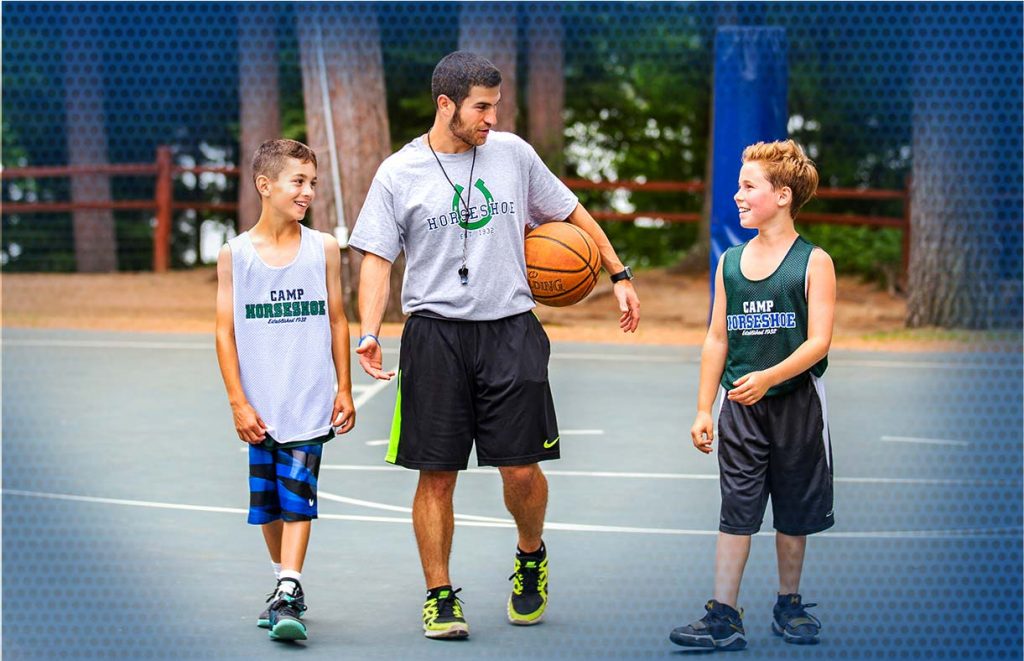
- League games and coaching: Sports and friendly competition are a big part of the Camp Horseshoe day. Counselors may coach, referee, encourage teamwork, and help campers show good sportsmanship.
- Lunch and rest hour: After lunch, campers and staff return to their cabins for rest hour. This gives everyone a needed pause in the middle of a busy day.
- Afternoon activities and open areas: The afternoon may include more league games, activity choices, or open areas where campers can spend time doing something they enjoy or improving a skill.
- Dinner, evening activity, and taps: After dinner, camp comes together for evening activities. These can include camp-wide games, special events, themed programs, and classic Horseshoe traditions. At the end of the night, counselors help campers return to the cabin, get ready for bed, and settle in after taps.
Life in the Cabin
Cabin counselors live with campers and other counselors throughout the summer. This is one of the most important parts of the role.
In the cabin, counselors help create a home away from home. That means getting to know each camper, helping new campers adjust, supporting friendships, encouraging responsibility, and making sure the cabin feels safe, fun, and welcoming.
A great counselor notices the little things. They see when a camper is quiet, when someone needs encouragement, when a group needs help working through a conflict, or when the cabin just needs a burst of positive energy.
Code of Conduct and Counselor Expectations
Campers look up to their counselors. That means staff are expected to be positive role models at all times.
At Camp Horseshoe, counselors should come prepared to put the needs of campers first. Staff are expected to:
- Use appropriate, clean language
- Follow camp policies and safety expectations
- Show respect for campers, co-counselors, leadership staff, and the camp community
- Keep personal conversations with campers appropriate
- Avoid speaking negatively about camp policies or other staff members in front of campers
- Bring energy, patience, and a positive attitude to the camp day
- Speak directly with leadership staff when questions, concerns, or conflicts come up
Camp Horseshoe also has clear expectations around safety and conduct, including:
- At least one counselor must be in each cabin every night
- Physical punishment is not permitted
- Cell phones may only be used during time off and out of view of campers
- Alcohol and illegal drugs are not permitted
- Camp health and safety protocols must be followed both on and off camp property
How to Succeed as a Camp Counselor
The best counselors are not perfect. They are present, patient, enthusiastic, and willing to grow. To succeed as a counselor at Camp Horseshoe:
- Remember the bigger picture. Every camper is someone’s child. Your patience, encouragement, and example can make a lasting impact.
- Be fully engaged. Campers can tell when you are truly present. Whether you are helping with cabin clean-up, coaching a game, or sitting with a homesick camper, your attention matters.
- Bring energy and positivity. Camp days are busy, and your attitude helps set the tone. A counselor who brings enthusiasm can change the whole mood of a cabin or activity.
- Get to know each camper. Learn names quickly. Learn what each camper enjoys. Pay attention to new campers, shy campers, and campers who may need extra support.
- Be firm, fair, and kind. Campers need structure, but they also need warmth. Great counselors know how to set expectations while still making campers feel supported.
- Communicate with your co-counselors. Strong cabin leadership comes from teamwork. Talk with your co-counselors, share observations, divide responsibilities, and support one another.
- Ask for help when you need it. You are part of a larger staff team. Leadership staff are there to support you, and asking questions is part of becoming a better counselor.
Days Off and Time Off
Camp counselor work is rewarding, but it is also demanding. Time off is important, and Camp Horseshoe builds it into the summer. Counselor time off includes:
- Transportation and curfew: A shuttle is provided for nights out, and additional details about curfew and time-off procedures are covered during pre-camp.
- Days off: Each counselor receives two days off per session.
- Early outs: Each counselor receives one early out per session.
- Additional time off: Staff may also have additional time off during pre-camp and parents visiting weekend.
- Day-off timing: A day off begins at 1:00 p.m. and ends at 12:00 p.m. the following day.
- Early-out timing: Early out begins after dinner flag and ends at curfew.
- Nights out: Counselors have three nights out per week, including the night attached to their day off and early out.
- Cabin coverage: Time off alternates with co-counselors so that one counselor is in the cabin every night.
- Sundays: All staff are in on Sundays.
- Unassigned periods: Occasionally, counselors may have an unassigned activity period during the day. This time can be used to work out, relax in the staff retreat, or enjoy downtime.
- Safety expectations: Camp Horseshoe’s health and safety protocols must be followed during time off.
Is Camp Horseshoe Right for You?
A summer at Camp Horseshoe is full of activity, responsibility, laughter, and growth. You will work hard. You will be tired. You will be challenged. You will also build friendships, learn about yourself, and have the chance to make a real difference in the lives of campers.
If you are enthusiastic, responsible, compassionate, and excited to be part of a team, working as a counselor at Camp Horseshoe could be the summer you never forget.